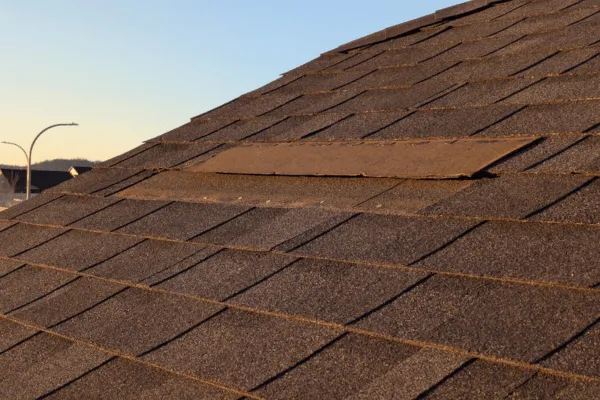
The Wind Stopped. Now What? A Local’s Guide to Checking Your Roof After the Storm.
The Wind Stopped. Now What?

A Homeowner’s Guide to Checking for Storm Damage in North Idaho
If you live in North Idaho or the Spokane Valley, you know the sound. The low rumble that turns into a roar as wind gusts sweep across the prairie or whip off the lake.
We’ve had some serious windstorms roll through recently. If you were lying in bed last night listening to the house rattle, you are probably wondering the same thing your neighbors are:"Did my roof survive?"
It is the most common question we get at Elevated Roofing this time of year. The problem is, roof damage isn't always obvious. Sometimes it’s a missing shingle on the lawn, but often it’s subtler than that.
Here is a simple checklist to help you assess your home—without putting yourself in danger.

Step 1: The "Ground Check" (Stay off the Ladder!)
Please, do not climb a ladder immediately after a storm. It is dangerous, especially if the wind is still gusting or if the ground is wet. You can spot 80% of major damage just by walking around your house.
Look for these signs on the ground:
Shingles in the Yard:This is the obvious one. If you see pieces of asphalt shingles on your grass or driveway, you have an open wound on your roof.
Granules in Downspouts:Look at the bottom of your gutter downspouts. If you see a pile of black "sand," that is the protective coating shedding off your shingles. Heavy wind and hail can strip this layer, leaving the asphalt exposed to the sun.
Fascia Metal:Look up at the edges of your roof. Is the metal trim (fascia) hanging loose or bent? This is a common failure point in high winds.
Step 2: The "Crease" Check
Not all damaged shingles fly off. In fact, the most dangerous type of wind damage is often the kind that stays on the roof.
When high winds hit, shingles can lift up, flap in the wind, and then lay back down flat. This creates a"Wind Crease"at the top of the shingle. It looks like a dark horizontal line across the shingle.
Why is this bad?Once a shingle is creased, the seal is broken. The next time it rains or snows, water will easily blow under that shingle and rot the wood deck beneath. You can’t always see this from the ground, which is why a professional inspection is key.
Step 3: The Interior Check
Head up to your attic or top floor.
Look for wet spots on the ceiling insulation.
Check for water stains around light fixtures or corners.
If you have a chimney, check the drywall around it—flashing often pulls away during high winds.
The Big Question: Should I Call Insurance?
This is the part that stresses homeowners out the most. Do I file a claim? Will my rates go up? Is it even worth it?
Here is our honest advice:Don't file a claim until you know you have damage.
If you call your insurance company first, they count that as a "claim inquiry" on your record, even if they pay out $0.
Instead, follow this process:
Call a Local Roofer First (That’s Us): We will come out and do a free inspection. We take photos and document everything. Click here to go to our insurance & claims process
Get the Verdict: If the damage is minor (under your deductible), we can just repair it for a fair cash price. No insurance needed.
File with Confidence: If the damage is major, we will tell you, "Yes, this is a valid claim." Then, you can call your adjuster with proof in hand.
Don't Wait for the Next Rain
The tricky thing about wind damage is that you usually don't realize you have a leak until weeks later when the next big rainstorm hits. By then, the water has already soaked your insulation and drywall.
If you are unsure about your roof, let us take a look. It’s free, it’s fast, and it gives you peace of mind.
Schedule My Free Post-Storm Inspection
