Know Exactly What Your Roof Needs. No Guesswork.
A proper inspection tells you what's actually there, not what makes someone the most money.
When to Get a Roof Inspection
Four situations come up repeatedly. Buying a home is the first. General home inspectors assess roofs, but they're looking at the whole house in a few hours. A dedicated roofing inspection by someone who does this every day gives you a different level of detail, and a written report you can use in negotiations if something is wrong. The second situation is after a significant weather event. Hail damage to asphalt shingles is often not visible from the ground, and it doesn't always cause immediate leaks. But it compromises the shingle surface in ways that accelerate deterioration. Post-storm inspection is worth doing regardless of what you can see from the yard.
The third is reaching the 15-20 year mark on your current roof. At that age, a thorough look at shingles, ridge, valleys, and flashing gives you a realistic picture of how much life is left and what, if anything, needs attention now. The fourth is before selling. Knowing what's on your roof before you list the property means no surprises in the buyer's inspection.
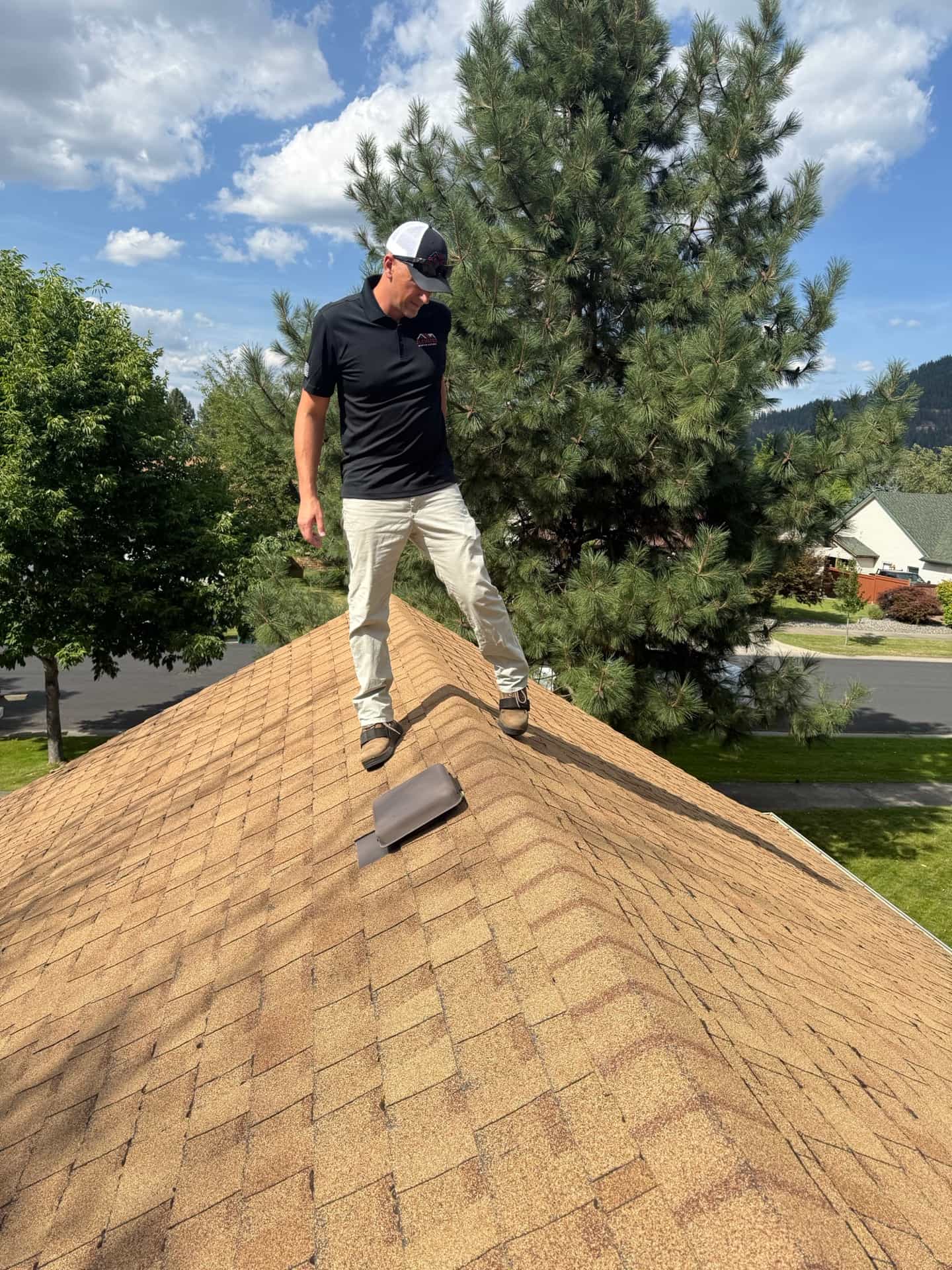
What ERP checks covers every element: shingle condition and granule loss, ridge cap, valley flashing, flashing around all penetrations, gutters and soffit, fascia condition, and attic ventilation. Ventilation is something most inspection services skip. Poor attic ventilation drives premature shingle aging from below and contributes to ice dam formation in winter. We check it as a standard part of every inspection. The written report you receive covers what we found, what needs attention now, and what can wait, with no pressure to act immediately.
How It Works
Why Homeowners Trust ERP for Inspections
Common Questions
Typically 45 minutes to an hour for a standard residential roof. Larger or more complex roofs take longer. We won't rush it.
It helps to have someone available to answer questions and receive the report in person, but it's not required. We can send the written report by email.
Once a year is a reasonable habit for roofs over 10 years old. After any significant storm, especially hail, get an inspection regardless of whether you see visible damage from the ground. Hail damage often isn't visible until it's caused a leak.
Related Services
We offer roof inspections in Hayden, Coeur d'Alene, Post Falls, Rathdrum, Athol, Sandpoint, Liberty Lake, Spokane Valley, and Spokane.