Most North Idaho roof replacements fall in the $8,000 to $18,000 range for asphalt shingles. That's a wide range on purpose. Two homes that look identical from the street can be priced very differently once you factor in pitch, decking condition, layers of old roof, and material choice. Metal and composite materials run higher and last longer. The honest answer is that an exact number requires looking at your specific roof. The good news is we built a satellite roof calculator that pulls measurements straight from satellite imagery and gives you a real ballpark in about a minute, no phone call needed.
This post walks through the variables that move the price. We will cover the size of a typical home in Hayden, Coeur d'Alene, and Post Falls, the three main material options we install, what makes a job more expensive, what makes it cheaper, and how to get an accurate estimate without an in-person sales pitch.
What Size Is a Typical North Idaho Roof?
Roofs are measured in roofing squares. One square equals 100 square feet of roof surface. A 1,500 square foot single-story home with a simple gable usually has a roof in the 18 to 22 square range. A 2,000 square foot home with a more complex layout often lands around 22 to 28 squares. A 2,500 square foot two-story with multiple pitches and dormers can hit 30 to 40 squares once you account for the angle of the roof and any waste on cuts.
Pitch matters too. A steep roof has more surface area than its footprint suggests. A 12/12 pitch can have 40 percent more roof than a 4/12 pitch on the same house. Steeper roofs also cost more to install because the crew works slower and uses more safety equipment. We see a lot of steep pitches in Sandpoint and Athol where homes are designed to shed heavy snow.
Which Roofing Materials Cost the Most?
We install three main material options, and they sit in three different price tiers. The cheapest, middle, and top-tier options each make sense for different homes and different situations. Honest answer: most North Idaho homes get asphalt shingles because the math works out, not because there is anything wrong with the other two.
Architectural Asphalt Shingles
CertainTeed Landmark Pro is our go-to shingle. It is the most affordable option, lasts 25 to 30 years in our climate, carries a Class A fire rating, and qualifies for impact discounts on some homeowner policies when you spec the right underlayment. This is what about three out of four of our customers pick.
Standing Seam Metal
Metal America standing seam panels cost roughly two to three times what asphalt does. The lifespan is 40 to 60 years, snow sheds off, and it can lower your home insurance premium in some cases. Metal is the move if you are staying in the home long term or if you are in a wildfire-prone part of the area.
Brava Composite Cedar Shake
Brava is the highest-end option we install. It looks like real cedar shake but is composite, so it does not rot, burn, or need to be re-stained. It is in a different price bracket. Most people who pick Brava are doing it for the look on a home where the architecture deserves it.
You can compare all three side by side on our materials comparison page, or run actual numbers for your specific roof in the satellite calculator.
What Drives the Price Up?
Once you have a baseline number from the calculator, here are the things that can push it higher than expected.
Damaged decking. The plywood or OSB under your shingles can be soft, rotted, or split. We do not know until we tear off the old roof. If we find bad decking, we replace it. That adds material and labor. On a typical home, decking replacement might affect 5 to 15 percent of the roof. On a roof that has been leaking for a long time, it can be much more.
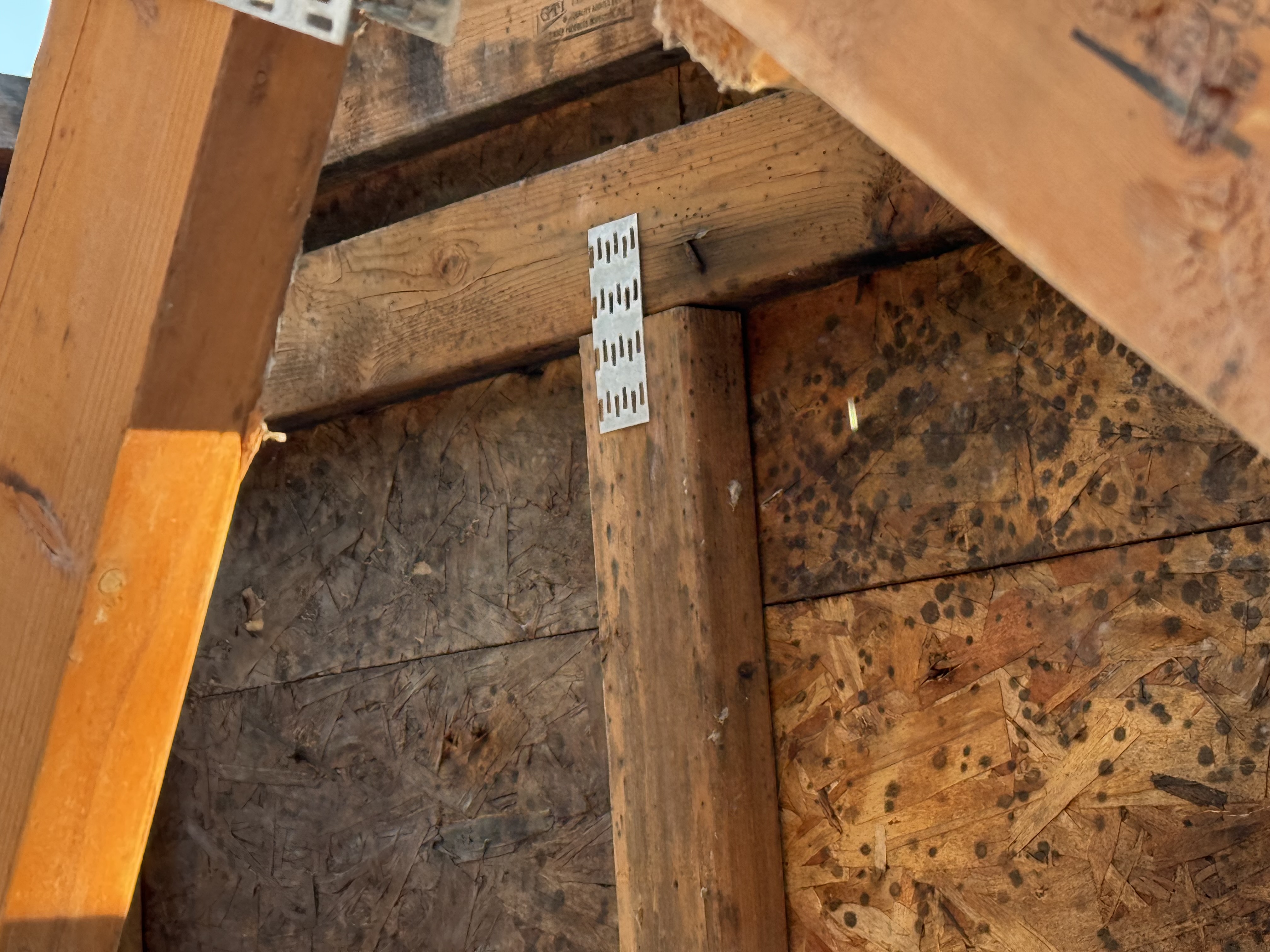
Damaged shingles often hide bigger problems underneath. We will not know the full extent of decking issues until tear-off begins.
Multiple layers of old roof. Idaho code allows up to two layers of asphalt shingles. If you already have two layers, the second one has to come off before we put the new roof down. That doubles the tear-off labor and the dump fees.
Complex geometry. Valleys, dormers, hips, skylights, chimneys, and odd angles all take more time and material. A roof with eight valleys costs more than a simple gable of the same size, even with the same material. Skylights in particular need to be flashed correctly or they will leak, and that flashing work adds time.
Steep pitch. Anything over an 8/12 pitch costs more in labor because the crew has to use roof jacks, harness systems, and slower install methods. Safety is non-negotiable.
Ice and water shield, plus ventilation upgrades. Our standard install uses ice and water shield on 2 feet of all outer walls, eaves, valleys, and around every roof penetration. That is not optional on our jobs, and it is one of the reasons a properly built roof costs more than a cheap one. On top of that, ventilation upgrades like ridge vents and intake vents are the variable. If your attic is under-ventilated, replacement is the cheapest time to fix it since the roof is already off.
Out-of-pocket vs insurance. If your roof is being replaced through an insurance claim for storm damage, you usually pay only your deductible. If you are paying out of pocket, you cover the whole bill. The work is the same. The cost to you is very different. Our storm and insurance page walks through the claim process if you think hail or wind damage might apply to your roof.
One thing to know about insurance: Get a roofer up there before you file a claim. If your roofer says there is real damage worth filing on, then file. Filing first and finding out later that the damage is borderline is a worse position to be in.
What Drives the Price Down?
On the other side of the math, here is what tends to bring an estimate in lower than the worst case.
Single layer tear-off. If you only have one layer of shingles and the decking is in good shape, the tear-off is straightforward and the install moves fast.
Simple roof shape. A clean gable or hip roof with no skylights, minimal flashing, and no chimney is the cheapest roof to install. Less cutting, less waste, fewer transitions.
Asphalt over higher-end materials. Picking architectural shingles instead of metal or composite is the single biggest cost reduction available. There is nothing wrong with that choice. Shingles are what most homes here have.
Booking outside peak season. The roofing market in North Idaho hits its peak in summer and right after big storms. That is when crews are stretched and schedules fill up fast. If you can plan ahead and book in early spring or late fall, you avoid that rush. We do not currently offer seasonal discounts, but you will have an easier time getting on the calendar when you want to be on it.
Want a rough number for your specific roof? Our satellite calculator pulls measurements from your address and gives you a ballpark in about 60 seconds. For an exact number, schedule a free inspection.
Get My EstimateHow Do I Get an Exact Number for My Roof?
The satellite calculator is a good way to get a rough estimate. You enter your address, pick your material, and it pulls measurements from satellite imagery and gives you a price range in about a minute. That is useful for budgeting and comparing materials side by side. But it is not exact.
The only way to get an exact number is for us to come out and actually inspect the roof. We get on the deck, measure everything in person, check the decking condition from the attic, look at flashing and ventilation, and inspect the spots that satellite imagery cannot see. Then we put a written estimate together that reflects what is actually up there. Inspections are free.
Frequently Asked Questions
Does insurance cover a full roof replacement in North Idaho?
Sometimes. If your roof has storm damage from wind or hail and the damage meets your carrier's threshold, your policy may cover most of the replacement minus your deductible. Damage from age, normal wear, or deferred maintenance is not covered. Get a roofer on the roof before you file the claim so you know what you are actually dealing with. We walk through the full process on our insurance claims post.
How long does a roof replacement take?
Most asphalt shingle replacements on a typical North Idaho home take one to two days. Metal roofs and complex roofs with multiple pitches, dormers, or skylights can take three to five days. Weather can stretch that timeline. We do not start a tear-off if rain is in the forecast for the same day.
What is the cheapest roofing material in North Idaho?
Architectural asphalt shingles are the most affordable option. CertainTeed Landmark Pro is what we install most often. It carries a Class A fire rating and Class 4 impact rating, which can also help with insurance. Metal and composite materials cost more upfront but last longer.
Do I need a roof inspection before replacement?
Yes, in most cases. An inspection tells you whether you need a full replacement or just targeted repairs, and it gives you accurate measurements and a real condition report on the decking, flashing, and ventilation. We do free inspections across North Idaho.
Our Honest Take
Roof replacement is a big number. We are not going to dance around that. The way we think about it: a roof is the single most important thing protecting everything else in your house. If yours is at the end of its life or it has real damage, putting it off costs more in the long run than doing it now. If yours has another 5 or 10 years left, we will tell you that and we will not push.
We are newer in the area and we are building our name in real time. The only way that works is by being straight with people. Run the calculator for a ballpark, schedule a free inspection when you want an exact number, or call us at (208) 551-1359. We will give you the same straight answer we would give our own family.